Jaw Joint Pain? Here's What Your TMJ Might Be Trying to Tell You
Quick Answer
Jaw joint pain, or temporomandibular joint (TMJ) disorder, is a common and often missed source of facial discomfort. The joint is the hinge between the jawbone and the skull, and it works every time you speak, chew, yawn, or swallow. Clicking, morning stiffness, temple headaches, ear fullness without an ear infection, and chewing fatigue can all come from this joint. Causes often combine grinding, bite imbalance, injury, arthritis, stress, and posture. Left alone, it can wear teeth and become harder to reverse. Early care is usually more conservative.
Do you wake up with a sore jaw, hear a click every time you chew, or feel a dull ache spreading toward your ears by the end of the day? You're not imagining it — and you're definitely not alone. Jaw joint pain, medically known as temporomandibular joint (TMJ) disorder, is one of the most under-diagnosed sources of chronic facial discomfort we see at Aurévo.
The temporomandibular joint is the hinge connecting your jawbone to your skull — one of the most frequently used joints in the body. Every time you speak, chew, yawn, or even swallow, this joint is at work. So when something goes wrong with it, the effects ripple far beyond the jaw itself.
Signs Your Jaw Joint May Be the Problem
Jaw joint pain rarely announces itself clearly. It often masquerades as:
- A clicking, popping, or grinding sound when opening or closing your mouth.
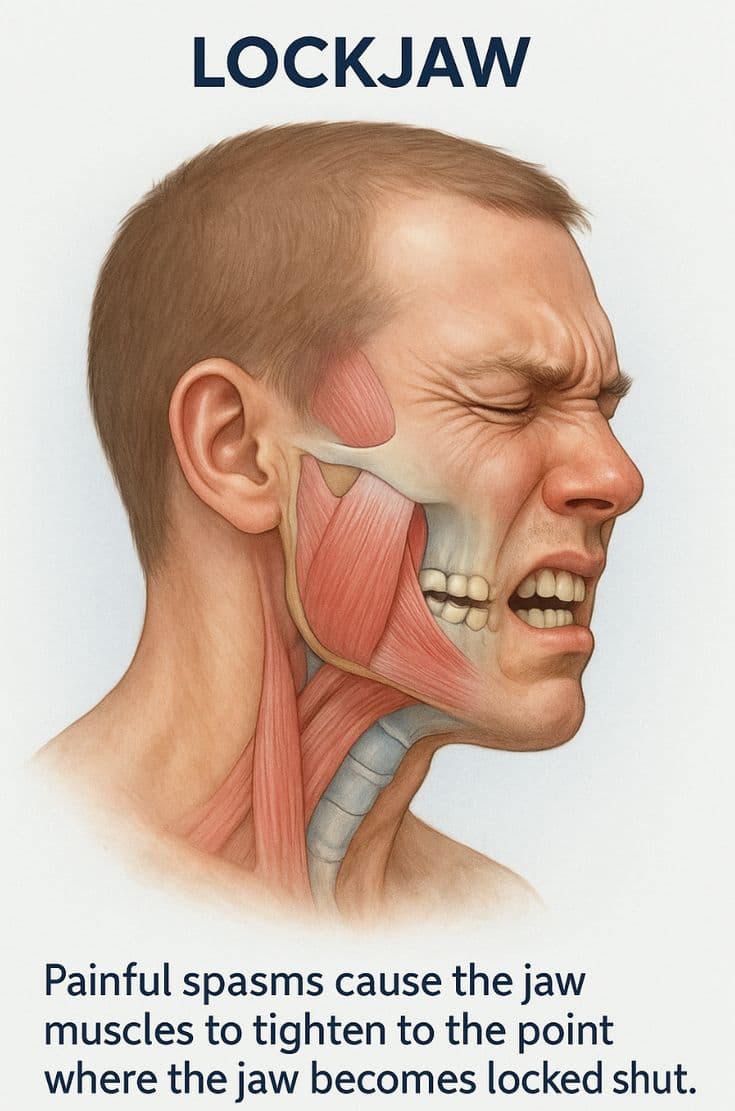
- Stiffness or a locked feeling in the jaw, especially in the morning.
- Recurring headaches or a dull ache around the temples.
- Ear pain or a feeling of fullness in the ears, without any actual ear infection.
- Discomfort or fatigue while chewing, particularly with harder foods.
- Neck and shoulder tension that does not seem to have an obvious cause.
Because these symptoms overlap with so many other conditions, TMJ disorders are frequently missed. Patients often visit ENT specialists or neurologists for years before the jaw joint is even considered as the source.
What Causes TMJ Disorder?
There isn't a single cause — it's usually a combination of factors:
- Bruxism: grinding or clenching teeth, often during sleep or under stress.
- Bite misalignment, where the upper and lower teeth don't meet evenly.
- Jaw injury or trauma.
- Arthritis affecting the joint.
- Chronic stress, which shows up physically as jaw clenching.
- Poor posture, particularly forward head posture from long hours at a desk or on a phone.
At Aurévo, we often find that patients with unexplained jaw pain also have subtle bite discrepancies that have gone unnoticed for years — sometimes compounded by old, poorly fitted restorations.
Why "Just Living With It" Isn't the Right Approach
Jaw joint pain tends to be dismissed as a minor inconvenience — something to push through. Left untreated, though, TMJ disorders can worsen over time, leading to:
- Progressive wear and flattening of the teeth.
- Chronic muscle fatigue in the jaw and neck.
- Difficulty opening the mouth fully.
- A cycle of pain that becomes harder to reverse the longer it continues.
The earlier a TMJ issue is identified, the simpler and more conservative the treatment tends to be.
How We Approach TMJ Care
A precise diagnosis is everything with jaw joint concerns. At Aurévo, evaluation typically includes:
- A detailed bite and joint assessment to understand how your upper and lower jaw interact.
- Muscle and joint palpation to identify specific points of tension or dysfunction.
- Digital imaging, when needed, to visualize the joint and rule out structural issues.
- A discussion of lifestyle and stress factors, since clenching habits are often behavioral, not just mechanical.
Depending on what we find, treatment can range from a custom night guard to protect against grinding, to targeted bite correction, physiotherapy referrals, or — in select cases — coordinated care with an oral and maxillofacial specialist. The goal is always the most conservative path that actually resolves the underlying cause, not just the symptom.
When to See a Dentist About Jaw Pain
If jaw discomfort has lasted more than a couple of weeks, is accompanied by clicking or locking, or is starting to affect your sleep, speech, or ability to eat comfortably, it's time to get it looked at. TMJ disorders respond far better to early intervention than to pain that has been managed for years.
Your jaw does more work than almost any other joint in your body. It deserves more than being ignored until it stops cooperating.
Experiencing jaw pain, clicking, or headaches you can't explain? Book a consultation at Aurévo Advanced Dental Studio | Face & Jaw Surgery, Shivranjani Crossroads, Satellite, Ahmedabad, and let's get to the root of it.
Frequently Asked Questions
This article is for informational purposes and does not replace an in-person dental or medical evaluation. Jaw pain can have several causes. Treatment should be decided with a qualified dentist or oral and maxillofacial specialist.